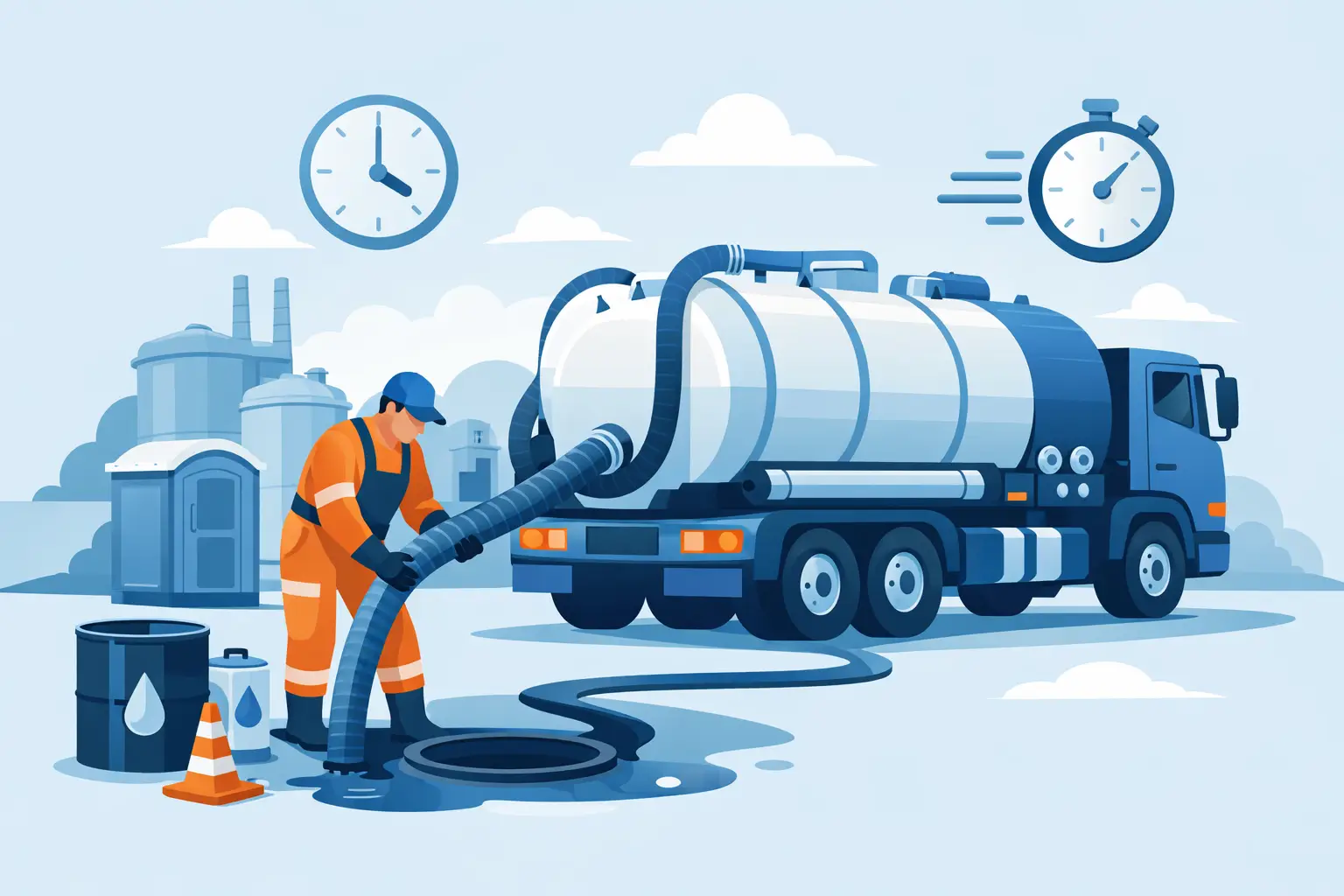
A full septic tank, overflowing grease trap, or water-filled excavation does not wait for a convenient time. Liquid waste hauling is the work that gets those materials off your property safely, keeps operations moving, and helps prevent a manageable service need from becoming a backup, shutdown, or expensive repair.
For homeowners, the need may be routine septic pumping. For a restaurant, it may be a grease trap that needs service before it creates odors or a kitchen drain backup. At a jobsite or industrial facility, it could mean vac truck support, dewatering, or hauling non-hazardous liquid industrial waste. The material and equipment may change, but the goal stays the same: remove waste properly and leave the site functioning the way it should.
What Liquid Waste Hauling Covers
Liquid waste hauling is more than pumping a tank and driving away. It involves collecting liquid or semi-liquid waste with the right equipment, transporting it to an approved disposal location, and handling the job in a way that protects the property, people on site, and the environment.
Common liquid waste hauling work includes septic tank pumping and cleaning, grease trap pumping and washouts, lift station and pit pumping, holding tank service, hydro excavation spoil removal, drain and sewer cleanup, and vac truck work for construction and commercial sites. Some projects also involve non-hazardous industrial liquids that require a capable hauler with the proper authorization and disposal plan.
The details matter. Grease waste behaves differently than household septic waste. A construction pit full of muddy water may require a different approach than a commercial holding tank. Before work begins, a qualified crew needs to understand what is being removed, where it is located, how much material is present, and what access is available for the truck and hoses.
When to Schedule Liquid Waste Hauling
The best time to schedule service is before a warning sign turns into a disruption. Septic systems should be pumped on a regular schedule based on tank size, household use, and the number of people in the home. Waiting until sewage is backing up into drains is never the economical option.
Restaurants and food-service operations need consistent grease trap pumping and cleaning. A trap that is allowed to overfill can send grease into drain lines, create foul odors, slow kitchen operations, and lead to expensive line jetting or emergency repairs. The right service interval depends on the trap size, menu, volume of cooking, and local requirements.
Commercial properties, rental homes, farms, industrial facilities, and construction sites also benefit from planned hauling. Scheduled service gives the contractor time to coordinate access, select the proper equipment, and complete the work without interrupting normal operations. It also makes budgeting easier than relying only on emergency calls.
That said, not every job can be scheduled. Call for prompt help when you notice sewage odors, slow drains throughout the building, wet ground near a septic system, an overflowing tank or pit, standing water in an excavation, or a grease trap that is backing up. Early action can often prevent damage to floors, landscaping, equipment, and adjacent lines.
Why the Right Equipment Makes a Difference
A liquid hauling job is only as effective as the equipment and crew behind it. Vac trucks are designed to remove liquid, sludge, and debris efficiently from tanks, pits, lines, and other hard-to-reach areas. Proper hose lengths, fittings, pump capacity, and containment practices all affect how safely and completely the job can be completed.
For example, a septic tank should be pumped thoroughly, not just skimmed from the top. Removing liquids while leaving a heavy buildup of sludge behind can shorten the time before the next service call and may not solve the underlying problem. Grease traps also need more than a quick pump-out when hardened grease and buildup are present. A washout may be needed to restore usable capacity and keep grease from escaping into downstream piping.
Construction and utility work can call for specialized support. Hydro excavation uses pressurized water and vacuum equipment to expose buried utilities with less risk than mechanical digging near known lines. The excavated slurry must then be removed and hauled appropriately. When a crew can provide both excavation support and hauling, the project has fewer moving parts and less downtime waiting on another vendor.
Proper Handling Is Not Optional
Waste hauling is not simply a transportation task. Disposal requirements depend on the material being collected. Septic waste, grease waste, and non-hazardous industrial liquids may each have different approved receiving locations and handling procedures.
Accurate information from the customer helps avoid delays. If a tank contains anything other than normal wastewater, say so before the truck arrives. Cleaning chemicals, oils, process water, solvents, or unknown materials can affect how the load must be managed. Guessing is not worth the risk to your property, the hauling crew, or the disposal process.
There is also an important line between non-hazardous and hazardous waste. A contractor permitted to haul non-hazardous liquid industrial waste can be the right fit for many commercial and industrial needs, but waste classification still matters. When materials are unclear, testing, documentation, or direction from the facility may be required before hauling can move forward.
Danville Septic holds an Illinois EPA permit to haul non-hazardous liquid industrial waste, giving regional commercial and industrial customers added capability beyond standard septic pumping. That means one experienced local contractor can often handle routine maintenance, urgent pumping, and specialized site support without forcing customers to coordinate multiple companies.
What a Good Hauling Visit Looks Like
A dependable service visit starts with clear communication. The customer should know when the crew is arriving, what access is needed, and whether vehicles, equipment, or gates need to be moved. On tight residential lots and active jobsites, access planning saves time and reduces the chance of property damage.
Once on site, the crew locates the tank, pit, trap, or work area and sets up hoses carefully. They remove the material, monitor the process, and watch for conditions that may need attention, such as damaged lids, clogged inlet or outlet lines, excess grease buildup, or signs of a system that is not draining properly.
The hauling itself may solve the immediate problem, but a good contractor does not ignore obvious issues. If a septic system is backing up because of a blocked line, pumping alone may provide temporary relief without fixing the restriction. If grease is repeatedly overflowing, the service interval may need to change, or the downstream line may require jetting. The right recommendation should be practical, specific, and based on what was found at the property.
Choosing a Hauling Contractor
Price matters, but the lowest quote is not always the lowest cost. Incomplete pumping, improper disposal, missed appointments, or a contractor without the right equipment can lead to another call, additional damage, and lost time. For restaurants and facilities, downtime can cost much more than the service itself.
Look for a local hauler with experience across the type of work you need, whether that is residential septic, grease waste, commercial pumping, industrial liquids, or jobsite vac truck support. Ask about scheduling options, emergency response, equipment capabilities, and whether the company can handle related problems such as line jetting, rodding, clog removal, or debris hauling.
A one-call contractor is especially valuable when the issue is not fully understood. What starts as a slow drain may require pumping, line cleaning, and inspection. What looks like a simple excavation cleanup may require vac truck work and material transport. Working with a crew that can assess the full situation helps get the job done right the first time.
Keep Small Problems From Becoming Big Ones
Most waste hauling emergencies start with something that had been building for a while: skipped septic maintenance, a grease trap serviced too late, an overlooked holding tank, or a jobsite pit left to fill. Routine service is not glamorous, but it protects the parts of your property and operation that nobody notices until they fail.
Set a service schedule that fits your actual use, keep tank access clear, and call when warning signs first appear. When waste has to move, fast, capable hauling can be the difference between a short service visit and a problem that follows you into the next workday.
Leave a Reply