A septic backup rarely begins with a dramatic warning. More often, it starts with a slow bathtub drain, a toilet that gurgles after flushing, or a damp patch over the drain field. Knowing how to prevent septic backups means handling those early signals before wastewater has nowhere left to go but back into the house or across the yard.
For homeowners, landlords, and rural property owners, prevention comes down to a few practical habits: pump the tank on schedule, control what enters the system, protect the drain field, and act quickly when drainage changes. The same principle applies to restaurants and commercial properties, where neglected grease traps and high-volume wastewater can shut down normal operations fast.
How to Prevent Septic Backups Starts With the Tank
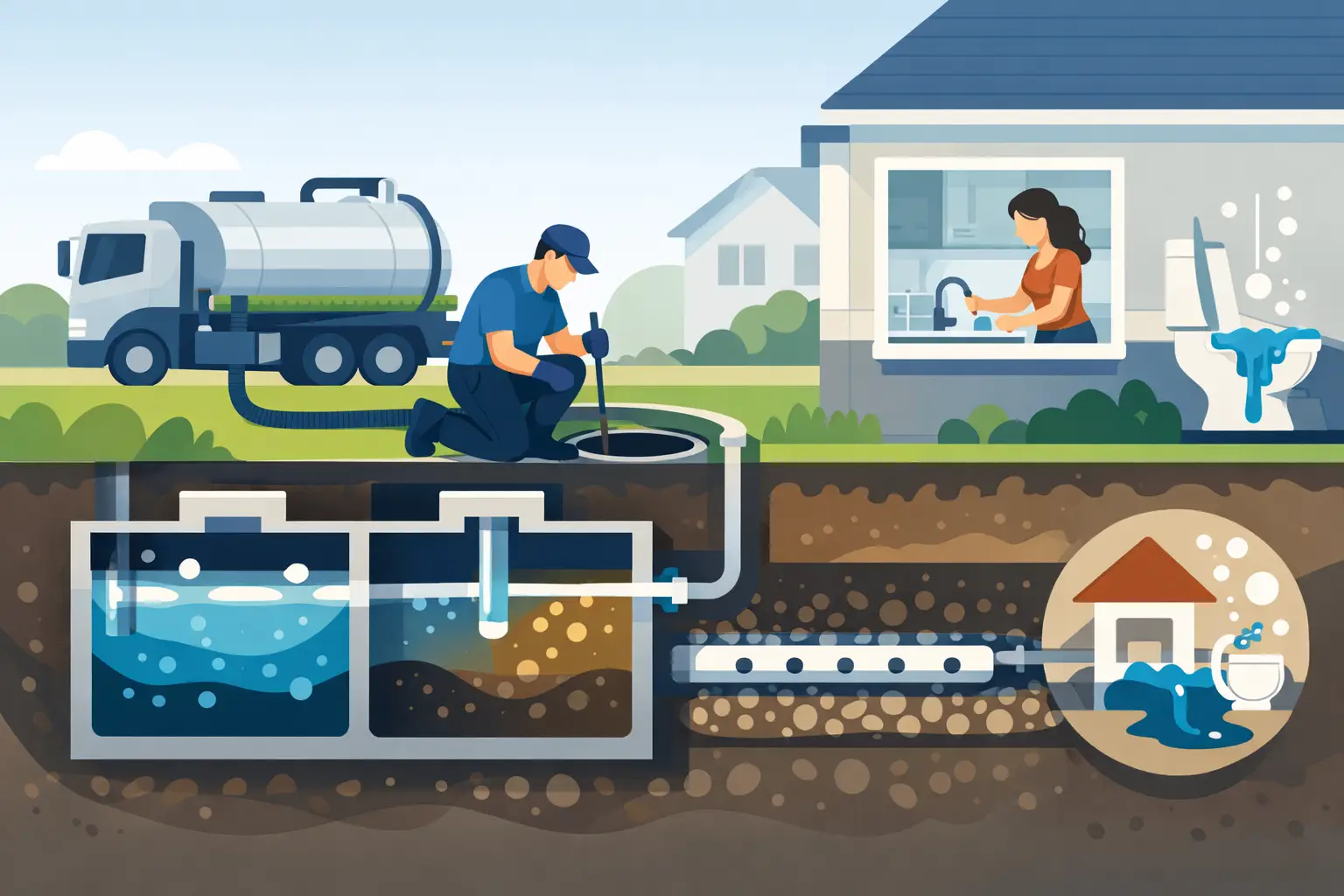
Your septic tank is designed to separate wastewater. Solids settle to the bottom as sludge, oils and floating material rise to the top as scum, and the clearer liquid in the middle moves toward the drain field. That process works only when the tank has enough open space and the drain field can accept the liquid leaving it.
Pumping removes the sludge and scum before they build up enough to interfere with normal flow. If the solids level gets too high, material can push into the outlet line and drain field. Once that happens, the problem may be more than a full tank. Lines can clog, the drain field can become overloaded, and repairs can become far more expensive than regular service.
Most household septic tanks need pumping every three to five years, but that is a starting point, not a guarantee. A smaller tank, a large family, frequent guests, a garbage disposal, or high water use may mean service is needed sooner. A seasonal home with light use may have a different schedule. The right interval depends on tank size, occupancy, water habits, and the condition of the system.
Do not wait until a backup decides the schedule for you. Keep a record of each pumping, including the date, tank size if known, and any issues the technician found. That record is especially useful for landlords, new property owners, and anyone managing multiple sites.
Watch for the Early Signs of Trouble
A backup is often the final stage of a problem that has been building for weeks or months. Pay attention when more than one fixture begins draining slowly, especially if the fixtures are on the lower level of the home. A single slow sink may be a local clog. A slow sink, shower, and toilet together can point to a main line or septic issue.
Other warning signs include gurgling drains, toilets that bubble, sewage odors near the tank or drain field, standing water over the field, and unusually green or spongy grass in one area of the yard. Wastewater appearing at a cleanout or floor drain is an urgent sign. Stop running water and get professional help before the overflow spreads.
A professional inspection can determine whether the issue is a full tank, a blocked sewer line, a damaged pipe, a clogged effluent filter, or a drain field that is no longer accepting water properly. Those problems require different solutions. Pumping is necessary maintenance, but it will not permanently fix a crushed line or a failing drain field.
Be Careful About What Goes Down the Drain
Your septic system is not a trash can. The only things that should be flushed are human waste and toilet paper. Products labeled “flushable” can still create trouble because many do not break apart as quickly as toilet paper. Wipes, paper towels, feminine products, cotton swabs, dental floss, diapers, and cat litter belong in the trash.
The kitchen deserves the same attention. Grease, cooking oil, and fat may look harmless when warm, but they cool and harden in pipes and tanks. They can coat lines, create blockages, and add to the floating scum layer inside the tank. Let grease cool in a container and dispose of it in the trash instead of pouring it into the sink or toilet.
A garbage disposal can be convenient, but it sends extra solids into the tank every day. If your home uses one regularly, reduce food waste going into it and plan for more frequent pumping. Scrape plates into the trash or compost appropriate food scraps instead.
Strong chemical drain cleaners, large amounts of bleach, solvents, paint, automotive fluids, pesticides, and medications should also stay out of the system. A septic tank depends on naturally occurring bacteria to break down waste. One normal load of laundry or a properly used household cleaner is not usually the issue. Repeated heavy chemical use is.
Manage Water Use Before the Drain Field Gets Overloaded
A septic system treats wastewater over time. Sending too much water through the system in a short period can overwhelm the tank and saturate the drain field, even when the tank is not full. This is one of the most common and avoidable causes of backups.
Spread laundry through the week rather than running several loads in one day. Repair dripping faucets, running toilets, and leaking water lines promptly. A running toilet can send hundreds of extra gallons into a septic system without drawing much attention until drainage problems begin.
High-efficiency fixtures and appliances can reduce the daily water load, but simple timing matters too. Avoid running the dishwasher, washing machine, and long showers all at the same time when possible. If your household is hosting visitors or has a period of heavier use, be mindful that the septic system is handling more than usual.
Water softener discharge requires particular attention. Some systems use substantial water during regeneration. Depending on your setup and local requirements, directing that discharge into the septic system may add unnecessary strain. Ask a qualified septic professional what makes sense for your property.
Protect the Tank, Lines, and Drain Field
The drain field needs oxygen and unsaturated soil to treat wastewater properly. It cannot do that job well if it is compacted, covered, flooded, or damaged by roots and traffic.
Keep vehicles, heavy equipment, and material piles off the septic tank, sewer lines, and drain field. The weight can crack pipes, damage tank components, compact soil, and reduce the drain field’s ability to absorb water. This matters on rural properties and construction sites where trucks, trailers, and equipment may move across open ground.
Direct roof runoff, sump pump discharge, and surface drainage away from the tank and drain field. Clean rainwater may seem unrelated to sewage, but excess water can saturate the soil and leave no room for treated wastewater to disperse. If the yard stays wet after rain, drainage improvements may be part of preventing septic problems.
Grass is generally the best cover over a drain field. Avoid deep-rooted trees and shrubs nearby because roots seek moisture and can enter lines or interfere with the field. Know where the tank lids, cleanouts, lines, and drain field are located. Marking those areas makes future maintenance easier and helps prevent accidental damage during landscaping or excavation.
Do Not Rely on Additives to Replace Maintenance
Septic additives are often marketed as a simple fix for odors, slow drains, or a full tank. In most working residential systems, they are not a replacement for pumping or repairs. The bacteria needed for normal treatment are already introduced through household wastewater.
Some products may not cause a problem when used as directed, but they cannot remove accumulated sludge, repair a broken baffle, clear a collapsed line, or restore a saturated drain field. Be cautious of any product that promises to eliminate pumping forever. That promise can lead property owners to delay the maintenance that actually protects the system.
For Restaurants and Commercial Properties, Control Grease and Volume
Food-service operations face a different version of the same risk. Grease trap neglect allows fats, oils, grease, and food solids to move into building lines or downstream wastewater equipment. That can cause odors, drainage failures, sanitation concerns, and costly interruptions during business hours.
A scheduled pumping and washout program keeps grease traps working as intended. The right schedule depends on the size of the trap, kitchen volume, menu, cleaning practices, and local requirements. A busy restaurant may need more frequent service than its original schedule suggests, especially after a menu change or a jump in customer traffic.
Commercial facilities should also watch for sudden changes in drainage, wastewater volume, or operations. A new shift, added equipment, or increased production can change the load on a system. Addressing capacity and maintenance needs early is far easier than dealing with a backup during a busy service period.
Call Before a Small Problem Becomes a Cleanup Job
If drains are slow throughout the property, sewage odors are present, or water is standing near the septic area, reduce water use immediately. Do not keep flushing, washing clothes, or running the dishwasher in hopes that the problem clears on its own. That can force more wastewater into an already stressed system.
Danville Septic can pump and clean tanks, clear blocked lines, perform line jetting or rodding when needed, and help identify the cause of recurring drainage issues. The goal is not just to get water moving for the day. It is to find the condition creating the problem and handle it correctly before it leads to larger repairs.
A well-maintained septic system stays out of sight and out of mind. Give it regular attention, protect the ground above it, and treat the first signs of trouble as a reason to act. That is the practical way to keep wastewater where it belongs and avoid the disruption no property owner wants.
Leave a Reply