A septic system usually gives plenty of warning before a small maintenance need turns into a messy backup. Slow drains, sewage odors near the tank or drain field, gurgling fixtures, and wet spots in the yard are not problems to ignore. Timely septic tank services keep wastewater moving where it should, protect your property, and help avoid the cost and disruption of an emergency repair.
For homeowners, landlords, restaurants, and rural property owners across East Central Illinois and West Central Indiana, the right service schedule depends on the system, how the property is used, and what is going down the drain. A reliable contractor can help you stay ahead of the problem instead of reacting after wastewater is already backing up.
Why routine septic tank services matter
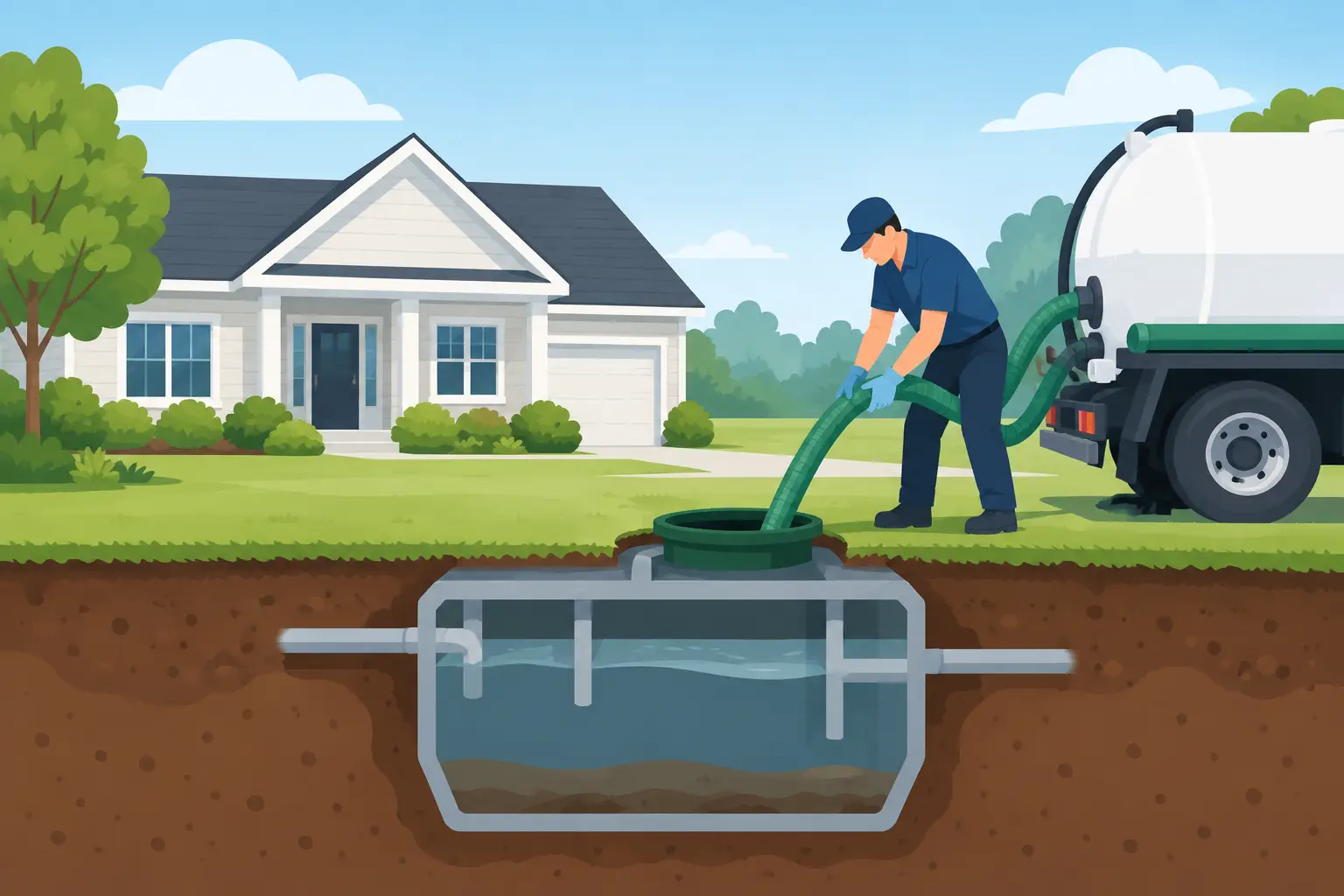
Your septic tank separates solids, grease, and floating scum from wastewater. The liquid portion moves to the drain field for further treatment, while solids remain in the tank. Over time, those solids build up. If they are not pumped out, they can move into the drain field, clog lines, and shorten the life of the entire system.
Pumping is not just about emptying a tank. A proper service call gives a trained crew the chance to identify conditions that could lead to trouble, such as a heavy sludge level, an obstructed inlet or outlet line, damaged lids, or signs that the drain field is under stress. Catching those issues early is almost always less expensive than waiting for a failure.
Routine maintenance also helps protect the health of your household and the condition of your yard. A sewage backup can damage floors, walls, belongings, and landscaping. It can also create sanitation concerns that require immediate cleanup. Scheduled service is a practical way to reduce those risks.
How often should a septic tank be pumped?
There is no single calendar rule that fits every property. Many residential tanks need pumping about every three to five years, but that range is only a starting point. A household with several people, frequent guests, a garbage disposal, or high water use may need service more often. A seasonal cabin or a home with only one or two occupants may have a longer interval.
Tank size matters as well. A smaller tank can fill much faster than a larger one, even with the same number of people in the home. Rental properties deserve special attention because occupancy can change quickly, and a new tenant may not know how the system has been used in the past.
Instead of guessing, keep a record of each pumping date and ask the service provider about the sludge and scum levels found during the visit. That information creates a better maintenance schedule for your specific system. It also gives you useful documentation if you sell the property or manage multiple locations.
Grease changes the schedule
Grease is one of the most common causes of preventable septic and sewer line problems. Cooking grease, oils, fats, coffee grounds, wipes, and food scraps do not belong in a septic system. Even products labeled as flushable can create blockages or add unnecessary material to the tank.
Restaurants and food-service businesses face a different level of grease waste. Grease traps need scheduled pumping and washouts to keep grease from reaching building lines and causing backups. Falling behind on grease trap service can mean foul odors, slow drains, kitchen downtime, sanitation issues, and expensive emergency work during a busy shift.
Signs you should call before your next scheduled service
Do not wait for the regular pumping date if your system starts acting differently. One slow sink can be a local drain issue. Multiple slow drains, though, may point to a blockage in the main line or a full tank. Toilets that bubble when water drains from a tub or washing machine are another warning sign.
Call for service promptly if you notice sewage backing up into tubs, showers, floor drains, or toilets. Strong sewage odors inside the building or around the tank area also need attention. Standing water or unusually green, spongy ground near the drain field can indicate that wastewater is not moving through the system properly.
A fast response matters because using more water can make an active backup worse. Until help arrives, limit laundry, long showers, dishwasher cycles, and unnecessary flushing. If wastewater is entering the building, keep people and pets away from the affected area until it can be addressed safely.
What professional service can include
The right service depends on the cause of the problem. For a tank that is simply due for maintenance, pumping and cleaning may be all that is needed. For a persistent clog, a crew may need to inspect the line and use rodding or high-pressure jetting to clear buildup. Jetting is especially useful for grease, sludge, roots, and heavy material that ordinary snaking may not fully remove.
A capable contractor should bring the equipment needed for the job rather than treating every call the same way. Vac trucks handle pumping and liquid waste removal. Line jetting and rodding equipment help restore flow in blocked pipes. Hydro excavation can safely expose buried utilities or septic components when a repair or site project requires digging without risking unnecessary damage.
For commercial, industrial, and construction customers, the need may go beyond a standard septic tank. Vac truck support, non-hazardous liquid waste hauling, debris removal, and material hauling can keep a site moving without coordinating several vendors. Danville Septic provides this one-call support with experienced crews and equipment for jobs of every size.
Protect your system between service visits
Good daily habits can make a major difference. Spread out high-water activities when possible instead of running several loads of laundry, a dishwasher, and long showers in a short period. Repair leaking toilets and faucets because constant water flow can overload the system. Direct roof gutters, sump pump discharge, and surface drainage away from the septic tank and drain field.
Keep vehicles, heavy equipment, and material piles off the tank and drain field. Excess weight can damage buried components and compact soil that needs to absorb treated wastewater. Know where your tank lids and drain field are located, but leave inspection and pumping work to trained professionals. Opening a tank without proper equipment and safety procedures is dangerous.
Avoid chemical drain cleaners as a routine answer to slow drains. They may not remove the actual blockage, and repeated use can be hard on plumbing components and the biological process inside the tank. If a drain keeps slowing down, it is better to identify the cause than to keep pouring chemicals into the system.
Choosing a septic contractor when the problem cannot wait
Price matters, but the lowest quote is not always the lowest cost. A missed blockage, incomplete pumping job, or delayed response can lead to damage that costs far more than proper service. Look for an established local contractor with the right equipment, clear communication, and the ability to handle both scheduled maintenance and urgent calls.
Ask what is included in the service and whether the crew can address related issues such as clogged lines, grease buildup, or hauling needs. For businesses, verify that the contractor has the permits and capability required for the type of waste being handled. This is especially important for industrial liquid waste and site-specific work.
When you call, be ready to describe what you are seeing: which fixtures are affected, when the issue started, whether there has been recent heavy water use, and when the tank was last pumped. Those details help the crew arrive prepared and get the job done right the first time.
A septic system does not need constant attention, but it does need timely attention. Put routine pumping on the calendar, pay attention to changes in drainage or odors, and call early when something does not seem right. That simple approach helps protect your home, your business, and your budget from a problem that only gets harder to handle when it is left alone.
Leave a Reply