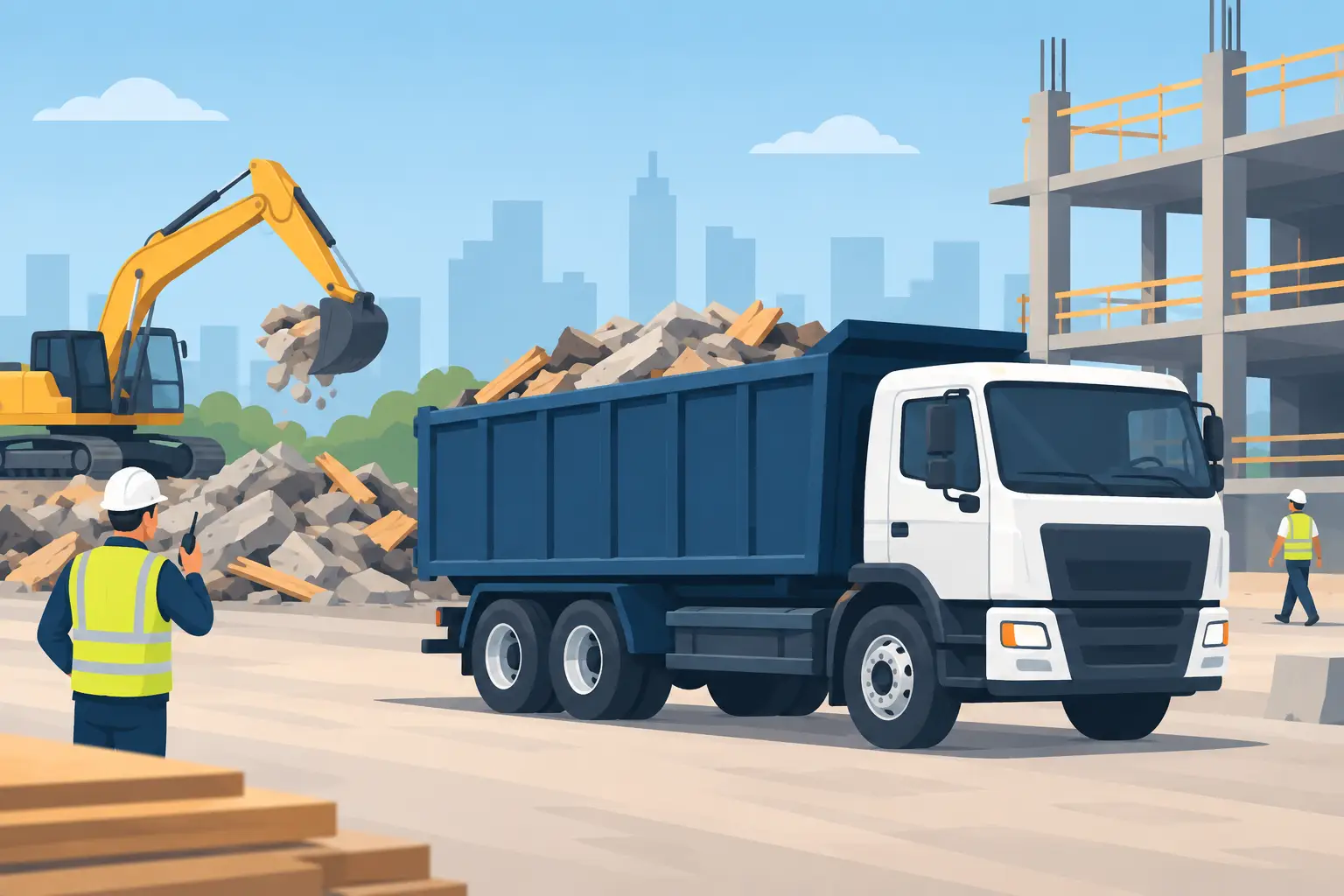
A full dumpster, a growing pile of broken concrete, or excavated soil sitting where the next crew needs to work can slow a project down fast. Construction debris transport is not just the final cleanup step. It is part of keeping access open, crews productive, and your schedule from slipping when work is already underway.
For contractors, property owners, developers, and site managers, the right hauling plan comes down to more than finding a truck. You need a provider with the right equipment, enough capacity for the material, and the ability to show up when the job calls for it. A dependable hauling partner helps keep the site safe and organized without adding another headache to the project.
Why Construction Debris Transport Affects the Whole Job
Debris has a way of taking over a site. Demolition material crowds staging areas. Spoil piles block equipment paths. Broken asphalt or concrete creates hazards underfoot and makes it harder for crews to move materials where they need to go. On smaller residential sites, even one loaded pile in the wrong spot can prevent a delivery truck from getting in.
Waiting until the end of the project to address hauling can create unnecessary cost. Crews may have to work around piles, move the same material twice, or stop work while a cleanup plan is arranged. Regular removal keeps the jobsite workable from day one through final grading and cleanup.
There is also a practical difference between hauling away debris and moving material around the site. A project may need dirt relocated, gravel delivered, or usable fill saved for another phase. Looking at the full material flow before trucks arrive helps avoid hauling away something you will need to replace later.
Match the Truck and Plan to the Material
Not all construction debris belongs in the same load. Concrete and masonry are heavy. Brush and wood can take up a lot of volume without adding the same weight. Excavated dirt may be clean fill, mixed material, or unsuitable for reuse depending on what is in it and where it came from.
That is why the first question should be, “What are we moving?” The answer affects truck selection, load size, destination, timing, and cost. A load that looks manageable can exceed weight limits once it is wet, compacted, or mixed with dense material. Overloaded trucks create safety concerns and can lead to delays before the load ever leaves the site.
A good hauling plan also accounts for access. Can a dump truck safely enter and turn around? Is the driveway soft from weather? Are there overhead lines, parked equipment, tight gates, or narrow streets to work around? These details are simple, but they are often what separate a clean pickup from a frustrating service call.
Before scheduling, be ready to describe the material, estimated volume, access conditions, and preferred pickup window. Photos can help when a pile is difficult to describe. The more accurately the work is scoped, the better the hauling crew can arrive prepared to get it done right the first time.
Common Materials That Need Different Handling
Construction sites produce a mix of materials, and each one calls for a clear plan. Common loads include:
- Excavated soil, clay, sand, and clean fill
- Broken concrete, asphalt, block, brick, and masonry
- Lumber, drywall, roofing, and general demolition debris
- Brush, stumps, and vegetation from site clearing
- Gravel, rock, and aggregate being delivered or moved on site
Keeping these materials separated when possible can make hauling more efficient. It may also prevent a recyclable or reusable material from being mixed into a load that has fewer disposal options. If a pile contains questionable material, old containers, liquids, or anything that may be regulated, say so before it is loaded. That protects everyone on the site and allows the material to be handled correctly.
Plan Hauling Around the Work, Not After It
The best time to plan debris removal is before piles become a problem. On a demolition project, that may mean scheduling trucks in phases as sections come down. On excavation work, it may mean coordinating loads around trenching, utility installation, or backfill. For a residential renovation, it may be one timely pickup that keeps a driveway clear and the neighbors happy.
Timing matters most when several trades are working at once. A truck arriving during a concrete pour, material delivery, or narrow-window inspection can cause its own disruption. Give the hauling crew a clear point of contact and let them know where to enter, stage, and load. If site conditions change, a quick call can prevent a wasted trip.
Weather should be part of the conversation as well. Rain can soften access routes, increase the weight of soil, and make a site difficult for heavy trucks. Freeze-thaw conditions can do the same. Sometimes the right move is to adjust the pickup time. Other times, improving the access route or staging material closer to a firm loading area keeps the work moving.
Safety and Site Protection Come First
Hauling work involves more than loading a truck and driving away. The crew needs a safe path through the jobsite, room to maneuver, and a stable place to load. Keep people clear of active equipment and make sure the loading area is free of hidden hazards such as loose scrap, exposed stakes, deep ruts, or unstable ground.
Property protection matters, too. Homeowners may be concerned about lawns, drives, curbs, and septic components near the work area. Commercial managers may need traffic lanes, customer access, or loading docks kept open. Discuss those concerns upfront so the truck route and staging area can be chosen with the property in mind.
When utility work is involved, extra care is necessary. Excavated material may be near marked lines, open trenches, or exposed infrastructure. In some cases, hydro excavation and vac truck support are a better fit for safely uncovering utilities or removing material from tight, sensitive areas before conventional hauling begins.
One Call Can Cover More of the Job
Construction projects do not always stay within one service category. A site may need debris hauled away, aggregate brought in, a clogged line jetted, a trench safely exposed, or a vac truck to handle liquid waste and cleanup. Calling different providers for each piece can cost time when the schedule is already tight.
Danville Septic provides dump truck hauling and material or debris transport for jobs across East Central Illinois and West Central Indiana, backed by more than 20 years of field experience. For projects that also involve septic systems, drainage lines, grease waste, hydro excavation, or non-hazardous liquid industrial waste, one capable local team can reduce coordination and help keep the site on schedule.
That does not mean every project needs every service. A straightforward load of clean dirt may only require a dump truck and a good access plan. But when the job changes – and construction jobs often do – it helps to work with a contractor that has the equipment and experience to respond without treating the problem like someone else’s responsibility.
Questions to Settle Before You Schedule
A short conversation before service can prevent most hauling delays. Confirm what material is being moved, whether it is separated, where it is located, how much is estimated, and where the truck can safely access it. Let the provider know whether you need removal, delivery, on-site relocation, or a combination of those services.
It is also smart to establish who can approve changes if the volume is larger than expected or site conditions are different when the truck arrives. Construction work rarely follows a perfect script. Clear communication gives the crew a way to solve problems quickly instead of leaving the job at a standstill.
For recurring work, consider setting a pickup rhythm rather than waiting for every pile to become urgent. Scheduled hauling can keep demolition, excavation, and cleanup phases more predictable. For smaller or fast-moving jobs, same-day availability can be the difference between finishing the day’s work and pushing it into tomorrow.
A clean, accessible jobsite gives every crew more room to do its work safely and efficiently. When debris, dirt, and materials have a planned path on and off the property, hauling becomes one less variable standing between your project and the next completed phase.
Leave a Reply